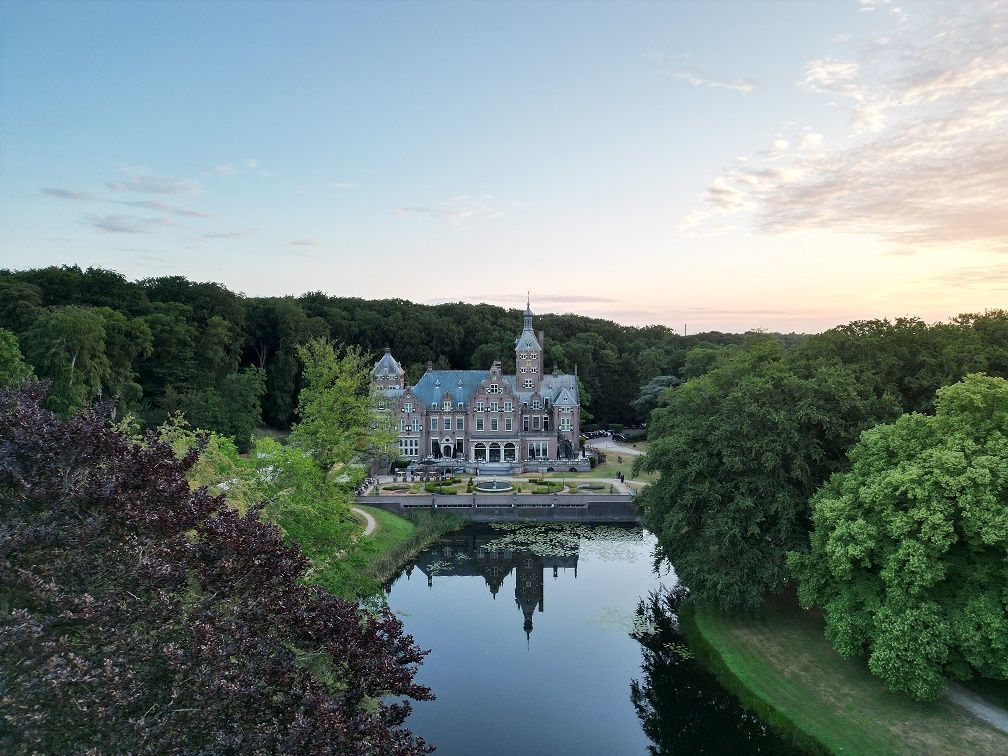
Great hotel for an overnight stay and breakfast!! No unnecessary frills, well-maintained room!
HISTORY
Behind Landgoed Duin & Kruidberg, formerly the largest residential house in the Netherlands, lies a beautiful story. Mr. Cremer and Mrs. Hogan traveled the world during the construction of this house, resulting in beautiful influences from various countries. We cherish this history and are happy to share it with our guests.
1600 – the Dutch Golden Age…
…a period of bloom.
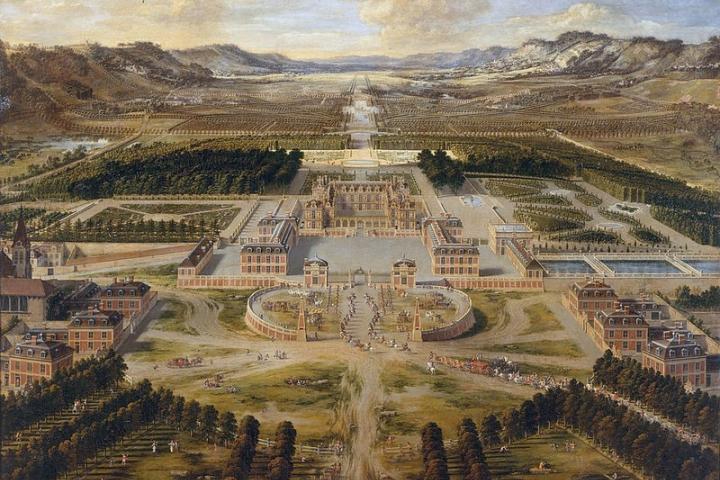
In the 17th century, the Dutch Republic experienced enormous growth, both economically and culturally. Many wealthy Amsterdammers fled the city during that time due to the sewage smell from the canals. The air was particularly unpleasant in the summer. During this period, many country estates were purchased, known at the time as 'lust-plaetse'. A 'lust-plaetse' usually consisted of several fixed components, namely: a country house with ornamental and/or vegetable gardens, an orchard, a coach house with stables and barns, an orangery, and a farm. Many of these country estates were popular in the Gooi or Kennemerland regions.
Where Hendrik Reijnst bought Duin en Bergh in the latter region in 1634 and Balthasar Coymans had de Kruidberg built in the 17th century, the Duin en Bergh Estate later came into the hands of Stadtholder William II||.
1895 – MERGING OF THE ESTATES
In the mid-19th century, Duin en Berg and De Kruidberg came into the possession of the then-famous politician and multiple minister, Floris Adriaan Baron Van Hall. He merged the estates, but initially they retained their own names. Van Hall commissioned the English architect Hitchcock to build a new villa a stone's throw from the current country house situated on Duin en Berg. At the same time, he also designed the English landscape garden. Over the years, Van Hall and the subsequent owner, Van der Hucht, purchased several plots of land surrounding the estate, expanding it further and further into the coastal area. Guillaume Louis Jacques van der Hucht was the founder of various tea plantations in West Java and the tin company Billiton Maatschappij. In the Netherlands, he championed the trade interests of the Dutch East Indies from his political position. Willem van der Hucht is immortalized in the famous classic novel *Heren van de Thee* by Hella Haasse.
In 1895, Jacob Theodoor Cremer and his wife Annie Hogan purchased the estate from the heirs of Van der Hucht for HFL 164,400. Strictly speaking, they are the founders of the current estate, Landgoed Duin & Kruidberg, as we know it today.
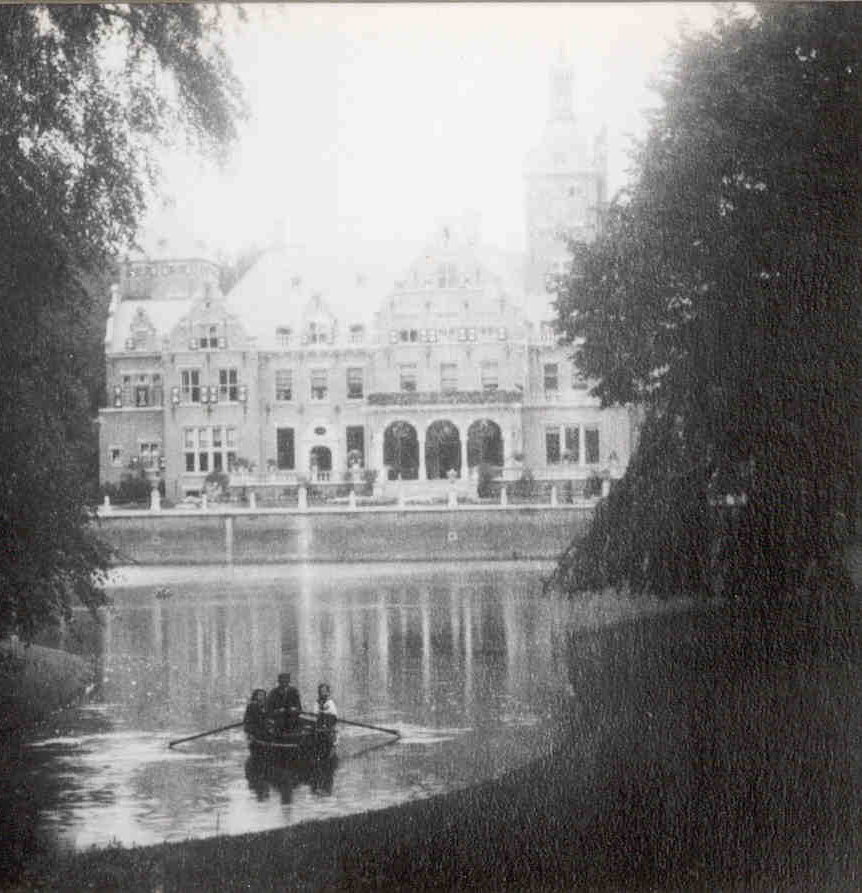
Jacob Theodoor Cremer (1847-1923)
Cremer started his career at the Nederlandse Handelsmaatschappij, the predecessor of ABN AMRO Bank, and traveled to the Dutch East Indies for this purpose. There, he moved to the tobacco industry, which was flourishing on Sumatra at the time. With his commercial talents, he laid the foundation for the Deli Company, with which he amassed a fortune. Upon his return to the Netherlands, he continued his career in politics. He eventually became Minister of Colonies and was appointed President of the Nederlandse Handelsmaatschappij by Queen Wilhelmina in 1907. He was also involved in the founding of the Colonial Institute (now the Royal Institute for Tropical Studies / Tropenmuseum). Together with his wife Annie Hogan (1854-1924), of Irish descent, they had three children. With the realization of the Duin & Kruidberg Estate, the largest residential house in the Netherlands, the Cremer couple were able to receive guests with all due respect.
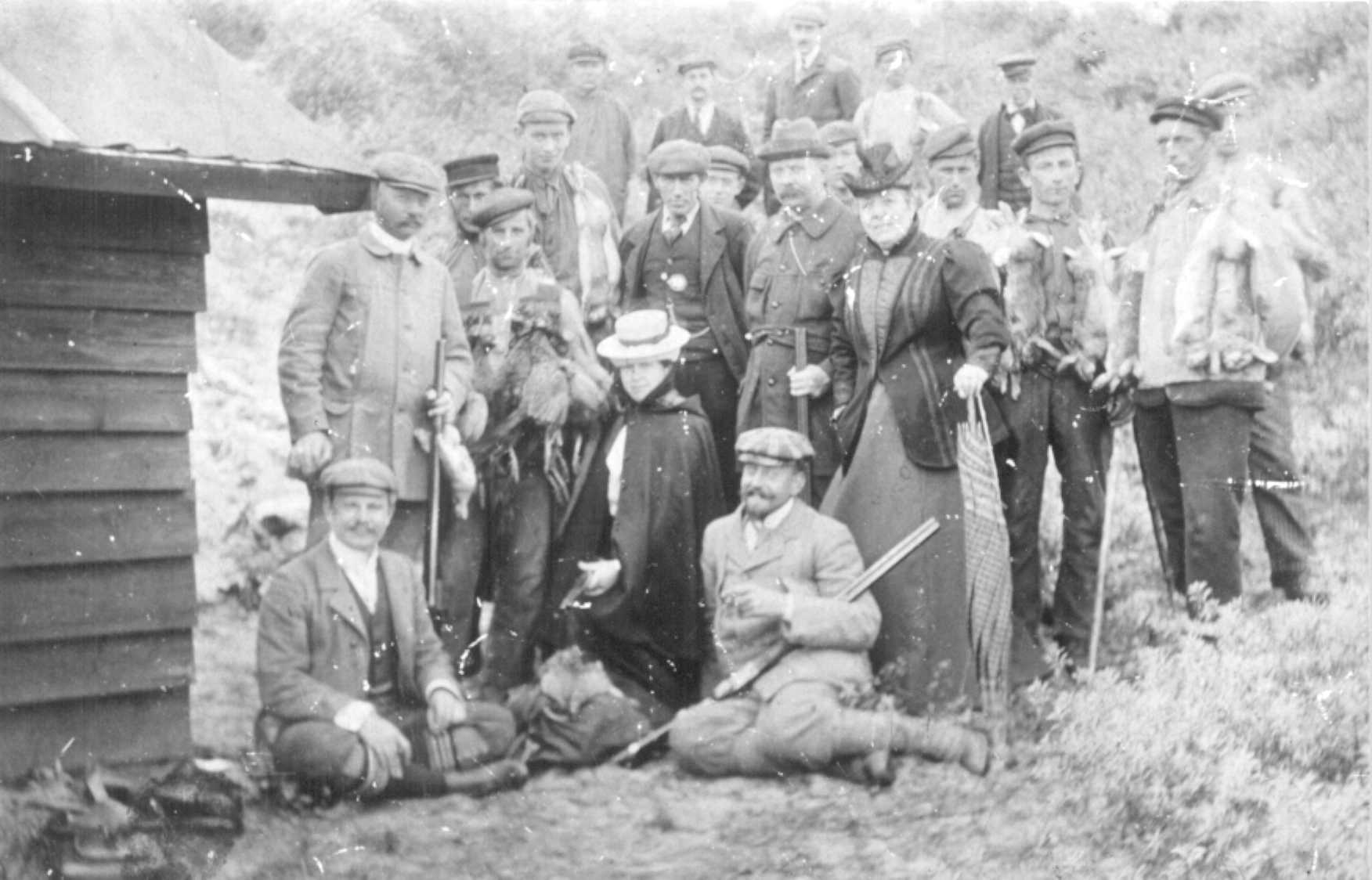
1907: The first guests at the current country house
The honor went to Prince Hendrik.
In Cremer's time, Duin & Kruidberg was known for the many parties held there. Various modifications and extensions had already been carried out, but space remained a tight squeeze, and the house built under Van Hall met the Cremer couple's wishes less and less. Eventually, it was decided to demolish the 'old' house and have an entirely new one built. They engaged father and sons Van Nieukerken from The Hague as architects. In addition to Cremer himself, his wife Annie also put her personal stamp on the list of requirements presented to the architects. She was of Irish descent but had grown up near London and desired a typical 'Country House', entirely in line with English tradition.
A country house where all the children and their families regularly gathered without compromising the sense of privacy. The foundation stone was laid in July 1907, and even before the construction and landscaping of the garden were actually finished, it was Mr. Cremer who advocated receiving the first guests on June 2, 1909. Thanks to hard work, the attendees of the International Colonial Congress, of which Cremer was the initiator, could be received with all due respect. The first to be given a tour was Prince Hendrik, chairman of the Dutch section and husband of Queen Wilhelmina. After the congress, the finishing touches were put on the country house, and it was occupied by the Cremer family on June 28, 1909. Subsequently, the old house was demolished, and the official handover followed on October 17 of that year.
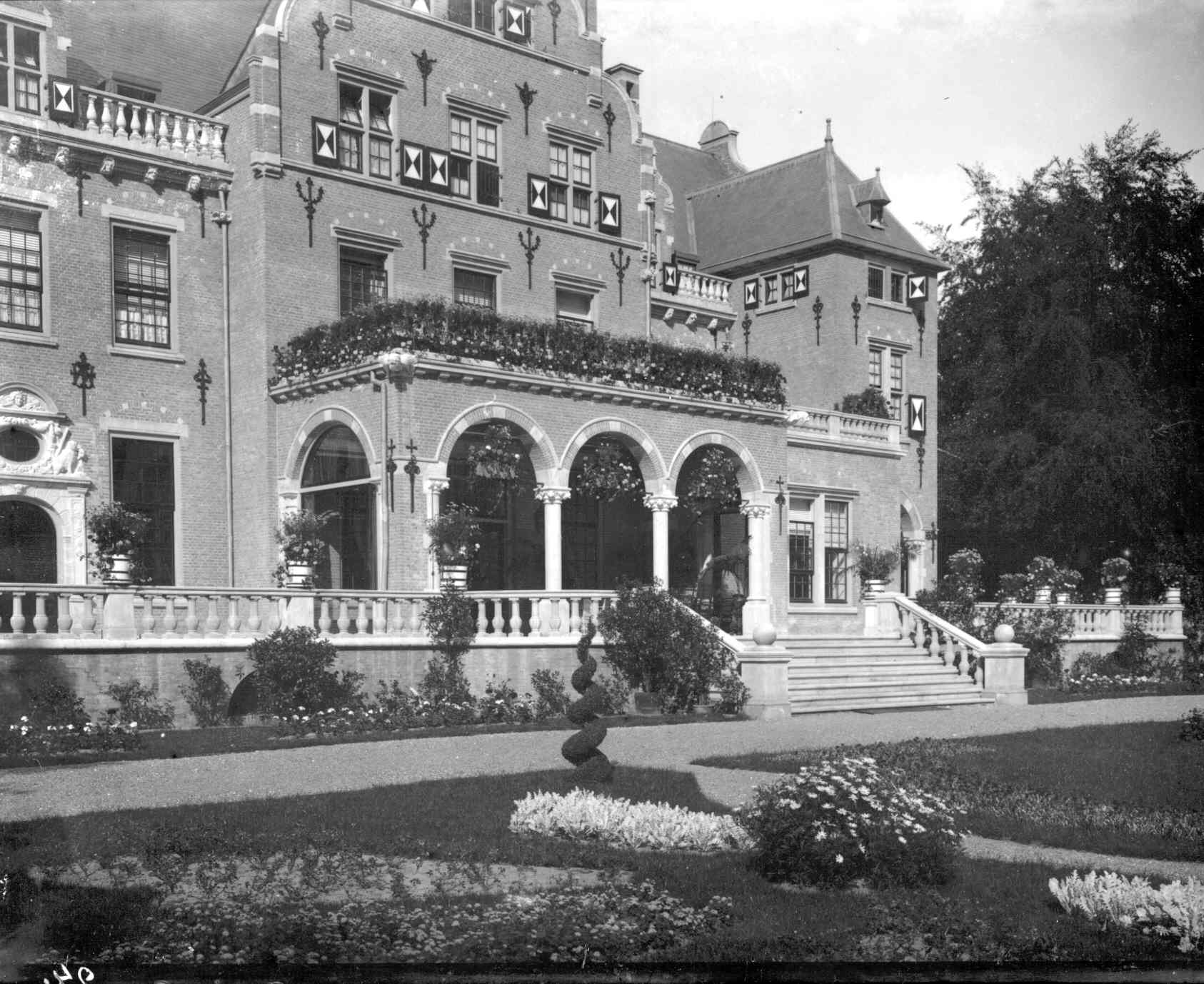
1948: Official hotel function
Following the death of Jacob Theodoor Cremer and his wife, Mrs. Hogan, the country house was inhabited by their son Herbert until 1940. Subsequently, the Duin & Kruidberg Estate served various 'functions'. During the war years, it served, among other things, as the Roman Catholic church and rectory of Driehuis. It was also used as accommodation for German officers requisitioned by the Canadian armed forces, and Red Cross nurses received their training there. Furthermore, the estate served as a reception center for repatriates from the Dutch East Indies. In 1948, the estate acquired an official hotel function for the first time when Cremer's eldest son Herbert, and later his grandson Theo, leased it to a hotelier.
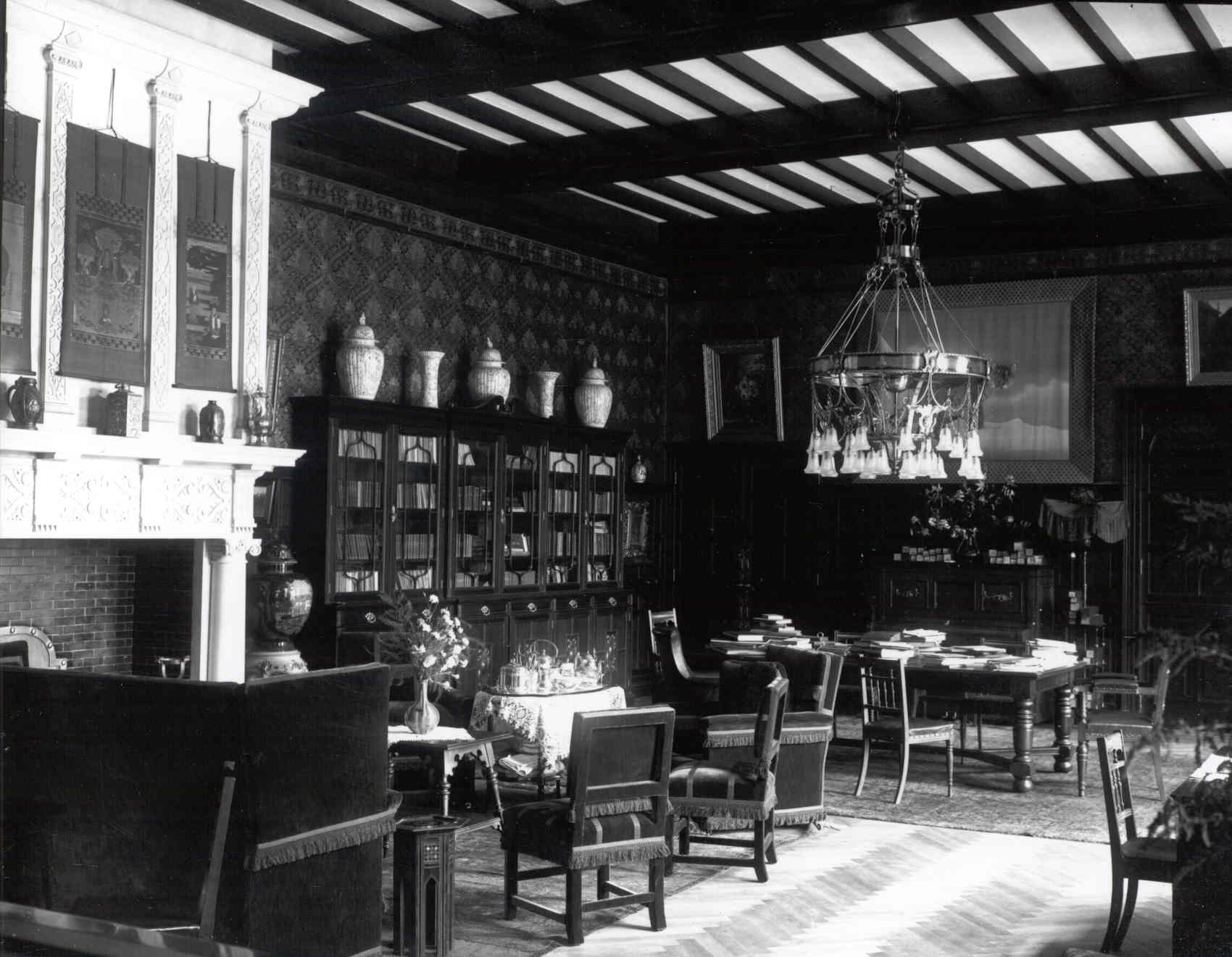
In 1961, the Cremer heirs sold the estate to the Nederlandsche HandelsMaatschappij (the predecessor of ABN AMRO Bank). The company converted it into a holiday resort for its employees. In the period after the Second World War, this phenomenon was almost a matter of course for large institutions and banks. They purchased estates and holiday resorts to strengthen ties with their current employees and retirees. By offering this form of recreation as a secondary benefit, they hoped to combat the severe staff shortage. The holiday resort at the time had 92 beds and various facilities for young and old. Initially, the employees showed great interest in Landgoed Duin & Kruidberg.
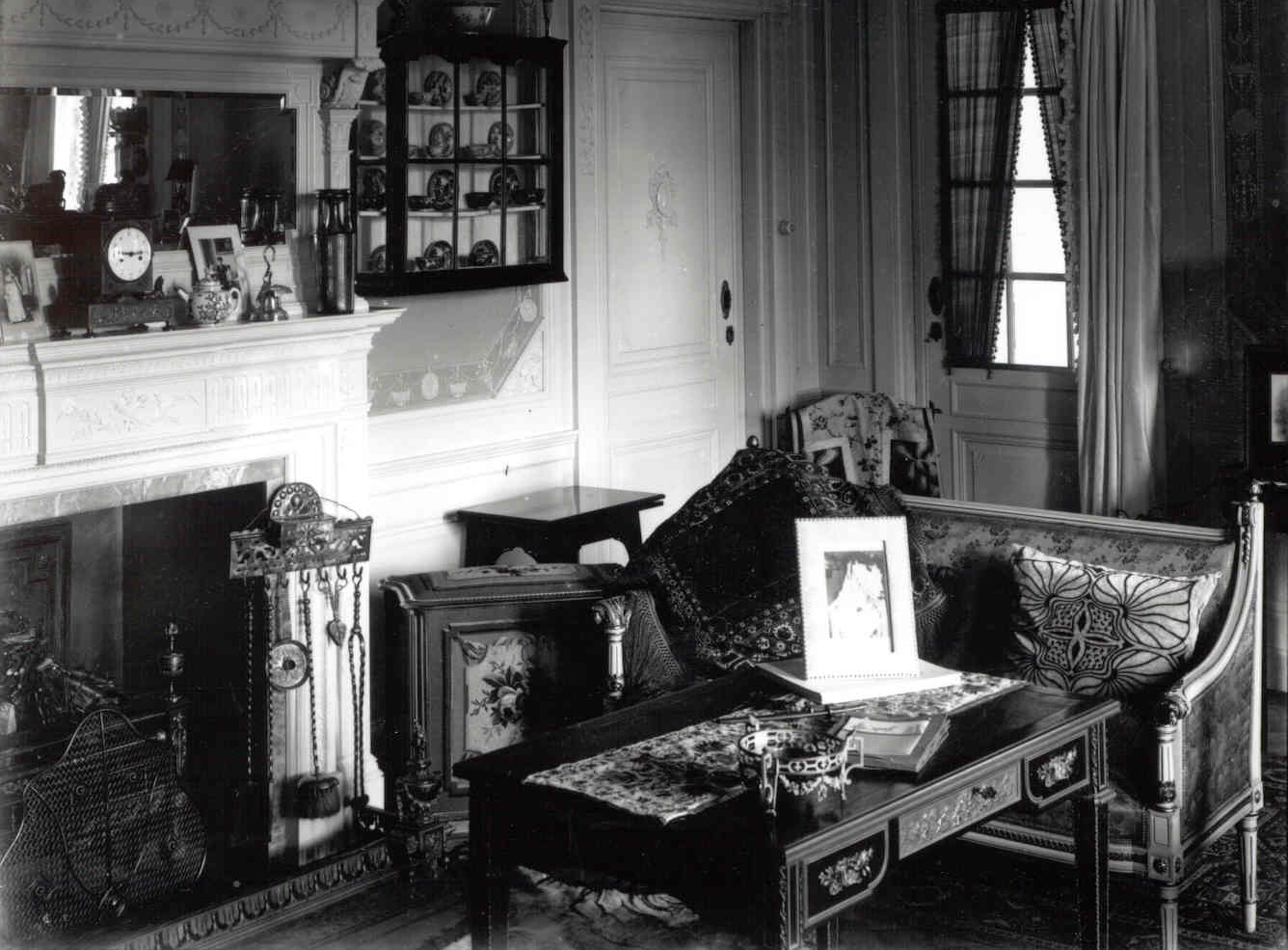
In the late 1980s, this interest declined, partly due to the wide range of alternative holiday options. Subsequently, ABN AMRO Bank began using the estate as a conference center, and a decision was made to renovate it. In 1996, a conference center was built featuring five meeting rooms, four breakout rooms, and a Business Center. Additionally, the bank wished to upgrade the rooms in the manor house to a 4- and 5-star standard. In 2000, a hotel wing was added with 44 modern hotel rooms.
In 2002, Landgoed Duin & Kruidberg officially opened its gates to the general public as a five-star hotel, and restaurant De Vrienden van Jacob was opened.
2026 – D&K ANNO NU
A rich history in a contemporary guise
Since December 23, 2019, Landgoed Duin & Kruidberg has been in the hands of Lucas Petit.
Hoscom, a respected name in the hotel industry, develops and operates unique hotel concepts where guests can fully relax and be themselves. Lucas Petit, owner of Hoscom, also manages six other strong brands: Delta Hotel, Badhotel Rockanje, De Holtweijde, Grand Hotel Opduin, Hotel Post-Plaza, and VieVia. These are hotels with their own character, which are more than worth a visit.
The Estate now has a rich history dating back more than a hundred years. In 2026, we cherish this valuable story and proudly continue it. The Estate is situated in the heart of nature, close to the city, the beach, nature, and the sea. There is so much to experience that it naturally makes you happy. And with the full care and attention you receive here, the picture is complete.